
Why Ground Conditions Should Never Dictate Project Timelines

In construction, infrastructure and temporary works, project delays are often blamed on material shortages, labour availability or changing client requirements. Yet one of the most persistent causes of lost time is far more fundamental: the ground itself.

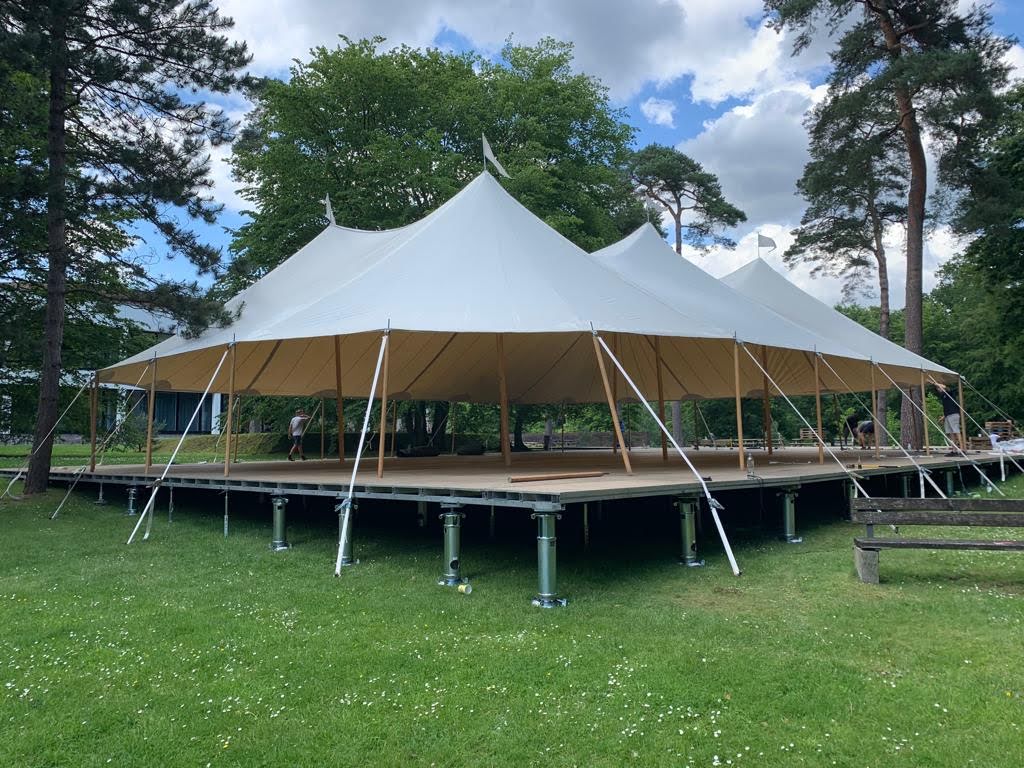
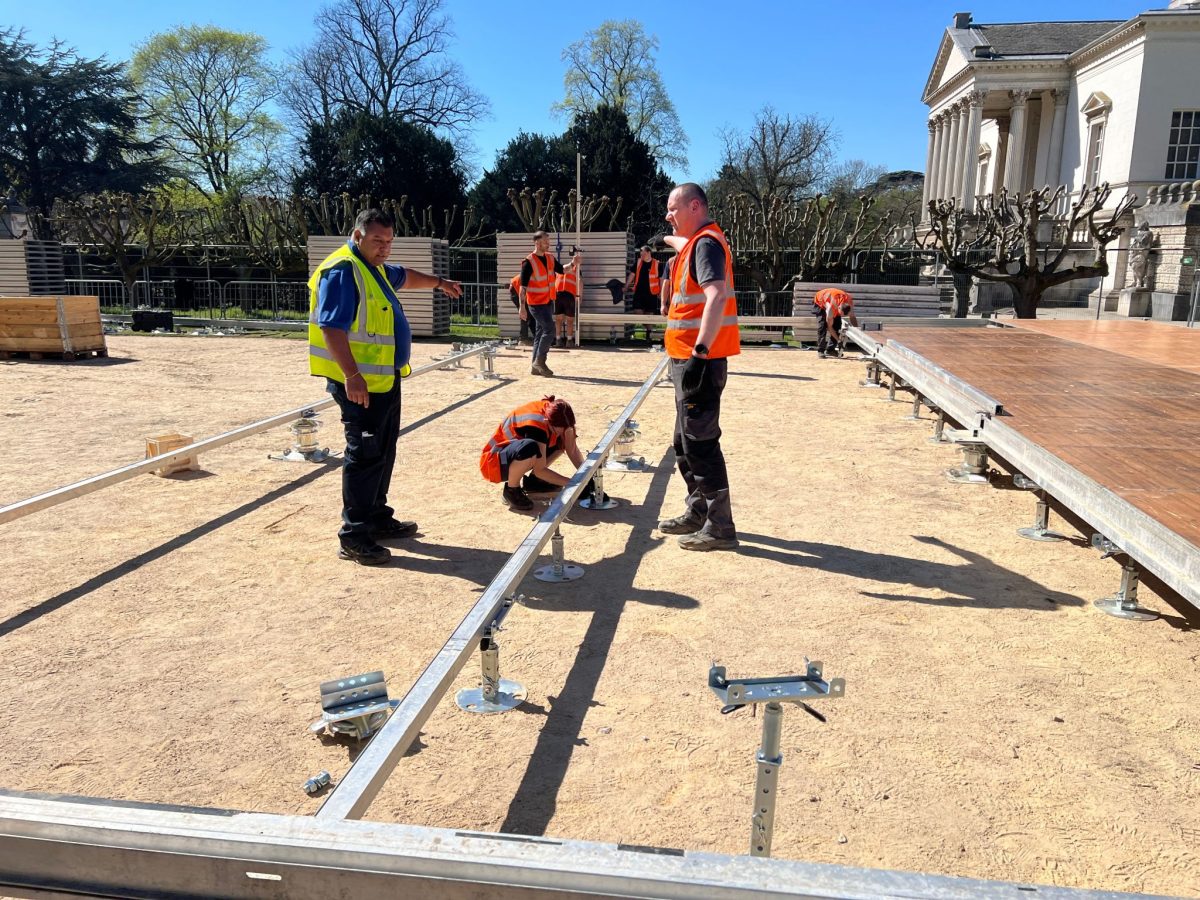
Rarely is a site perfectly level. From sloping car parks and uneven hardstanding to industrial compounds, sports venues and temporary event locations, preparing the ground to accept temporary structures can add significant time, cost and complexity before construction has even begun.

For Regent Engineering, the manufacturer behind the FloorStak modular support system, this is where engineering innovation is changing established thinking.

Rather than forcing contractors to reshape the site to suit the structure, FloorStak allows the structure to adapt to the site.

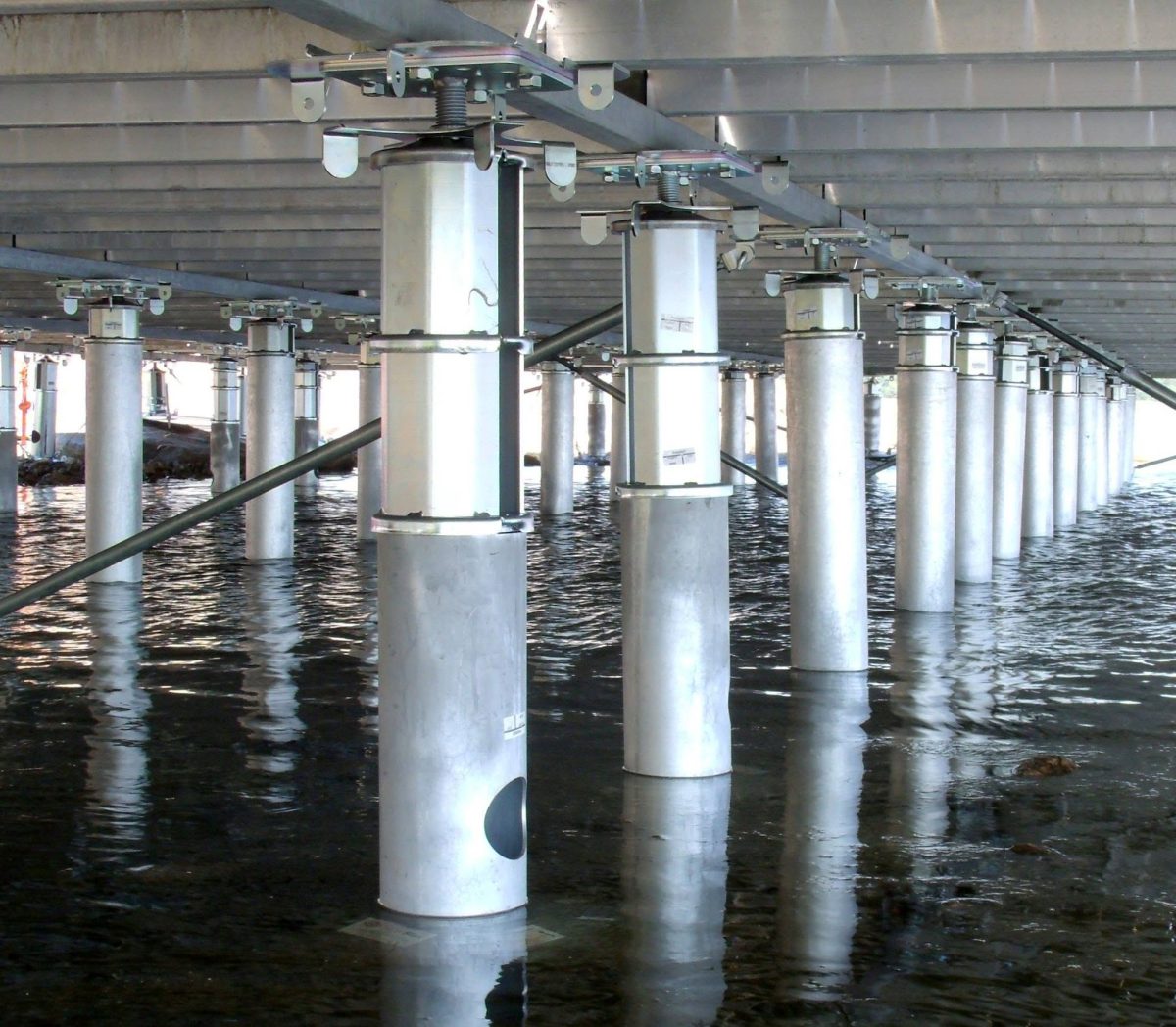
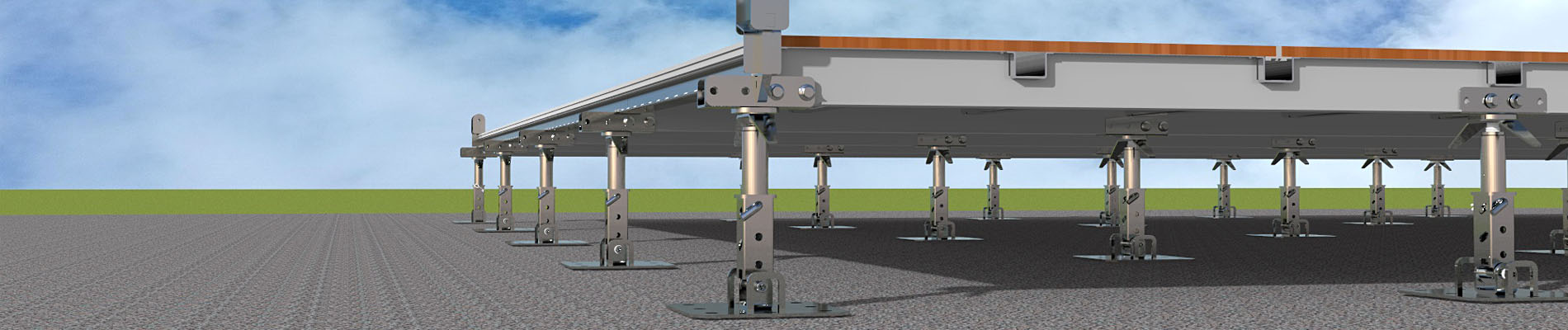
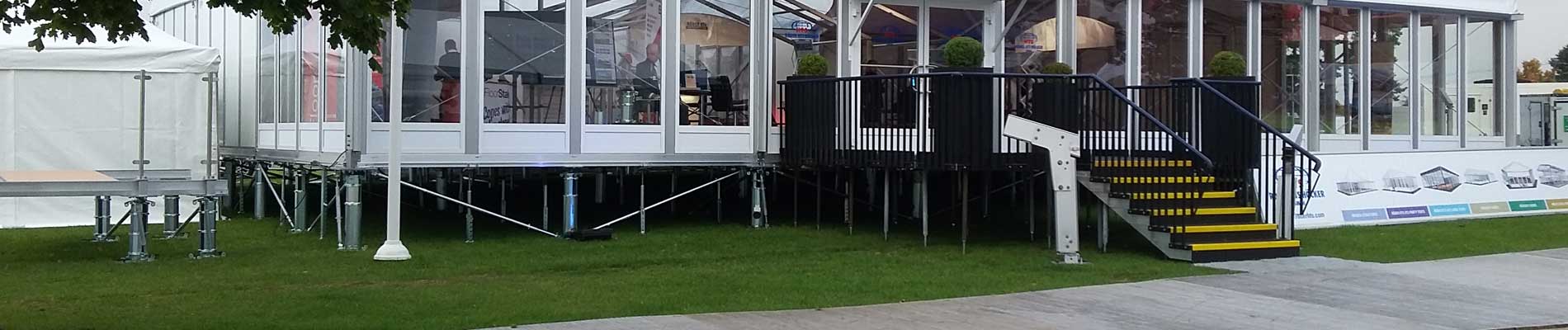
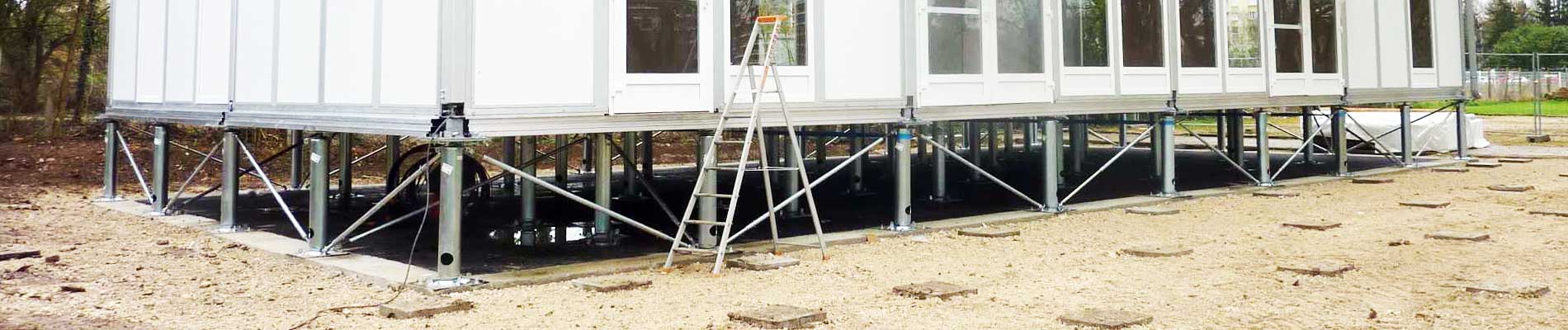
The modular support system is designed to accommodate height differences from 200mm through to 1,650mm while maintaining a stable, level platform. The result is a reusable solution that removes much of the extensive groundwork traditionally associated with temporary installations.

According to Stuart Whitehouse, Managing Director of Regent Engineering, the industry is increasingly recognising that the speed of project mobilisation begins long before the first component of a temporary building is erected.

“The conversation around temporary infrastructure has moved well beyond simply putting structures in place. Clients are looking at the entire installation process and asking where time can be saved without compromising safety or performance.”

He believes many projects continue to underestimate the impact that challenging ground conditions have on programme delivery.

“Too often, valuable days are spent trying to make the ground fit the structure. We believe the smarter approach is to engineer the support system so it works with the site that’s available. That significantly reduces preparation time while still delivering the stable, level platform contractors need.”

The approach is proving valuable across an increasingly diverse range of sectors.

Temporary event venues frequently need infrastructure installed across sloping terrain or existing hardstanding where permanent alterations are impractical. Construction projects often require welfare facilities, site offices and pedestrian routes to be established quickly without extensive civil engineering works. Industrial maintenance programmes, where shutdown periods are tightly controlled, benefit from systems that can be installed and removed rapidly while maintaining safe access for personnel.

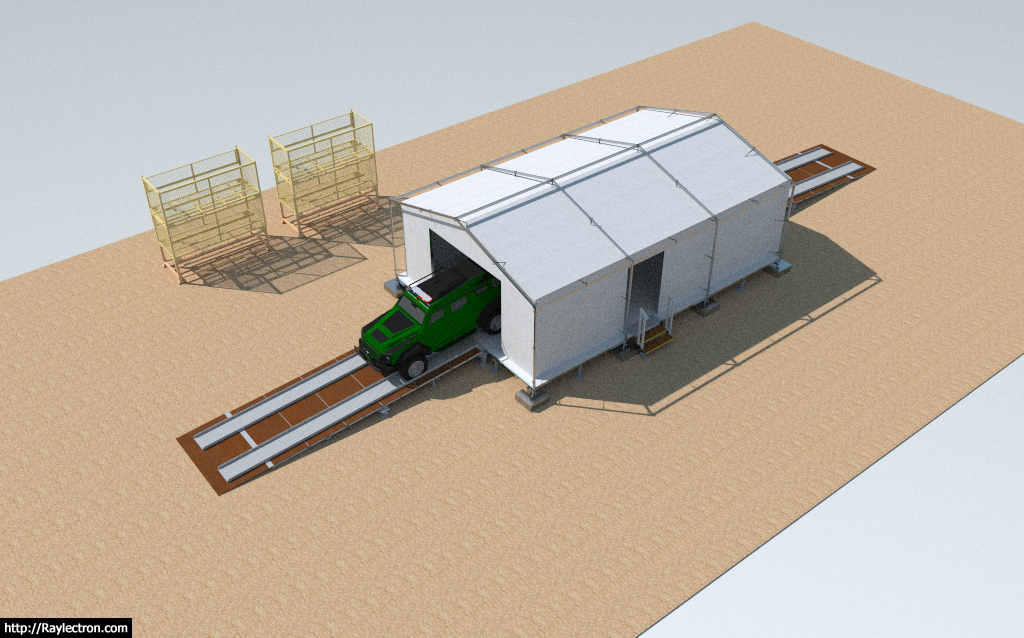
The same principles are now being applied across defence infrastructure, where rapidly deployable facilities are becoming increasingly important as operational requirements evolve.

Because FloorStak is fully modular and reusable, organisations are also reducing waste associated with traditional timber packers, bespoke fabricated supports and one-off site preparation methods. Once dismantled, the system can be transported, stored and redeployed across multiple projects, helping contractors improve both sustainability and asset utilisation.

For organisations managing temporary works across multiple locations, that flexibility is becoming an important commercial consideration.

Whitehouse believes this reflects a broader shift in how temporary infrastructure is being specified.

“Customers aren’t simply comparing products anymore. They’re looking at the total installation programme, the resources required on site and how quickly they can move equipment between projects. Modular systems that can be reused again and again are delivering value throughout the whole project lifecycle.”

As pressure continues to grow for faster project delivery across construction, infrastructure, defence and major events, the ability to create safe, level foundations without extensive ground preparation is becoming an increasingly valuable capability.

For Regent Engineering, the lesson is straightforward. Ground conditions should influence engineering decisions—not dictate project timelines.

Passing the Baton: Regent Engineering Builds on 80 Years of Family Heritage as Stuart Whitehouse Takes the Helm

Leadership transitions are often defining moments for long-established manufacturing businesses. At Regent Engineering, they represent something more enduring: the continuation of a legacy that has shaped one of the Black Country’s longest-serving engineering companies for more than eight decades.

Founded in 1941 by Arthur Shaw, Regent Engineering has grown from a local toolmaking business into a respected manufacturer of precision pressings, welded assemblies and fabricated structures, supplying customers across aerospace, defence, transport and infrastructure.

Much of that journey has been guided by the Shaw family. Arthur’s sons Alan, John and Tony each played significant roles in developing the business, steering it through changing markets, technological advances and shifting industrial landscapes while maintaining the values that earned Regent Engineering its reputation for quality and reliability.

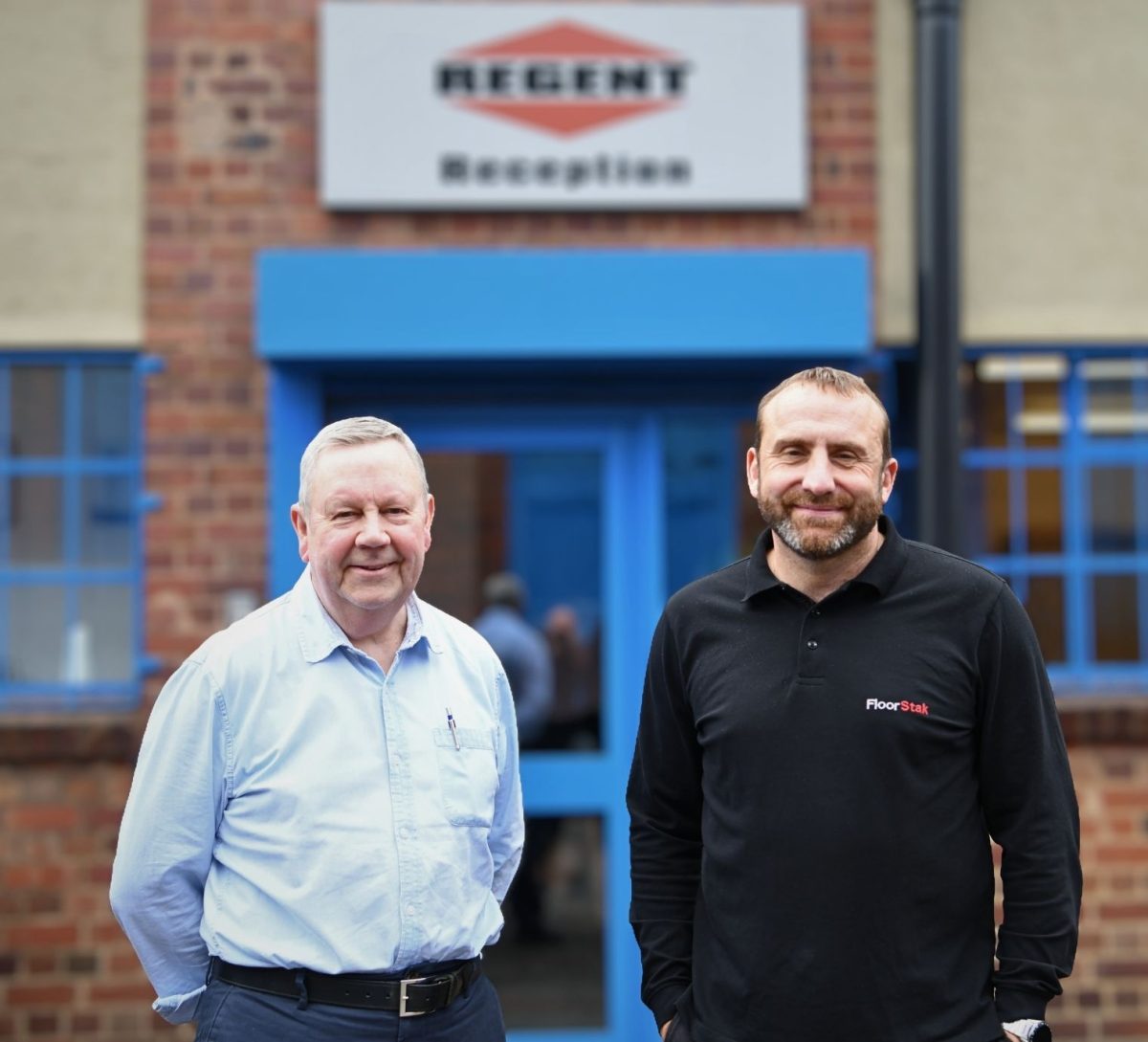
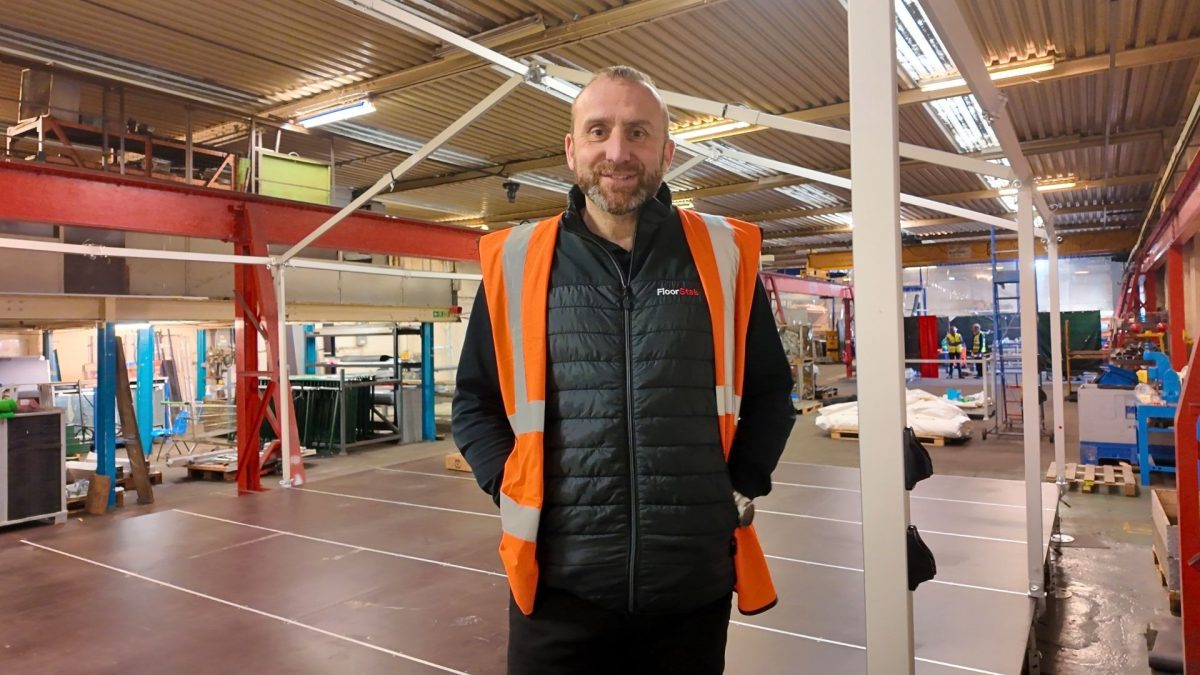
Now, another chapter begins as Stuart Whitehouse assumes the role of Managing Director, succeeding Alan Shaw and leading the company into its next phase of growth.

For Whitehouse, the appointment is both an honour and a responsibility.

“Businesses like Regent Engineering don’t survive for more than 80 years by accident,” he said.

“They survive because generations of people have cared deeply about quality, about customers and about doing the right thing. Alan and the Shaw family have created something very special, and I’m incredibly proud to have the opportunity to build on that legacy.”

Rather than signalling a change in direction, Whitehouse describes the transition as one of evolution.

“We’re not trying to reinvent Regent Engineering,” he explained.

“The foundations are already exceptionally strong. Our focus is on building upon them by investing in our people, strengthening our manufacturing capability, developing new markets and ensuring the business continues to thrive for future generations.”

That investment is already visible. Regent Engineering has strengthened its position within aerospace and defence through membership of the Midlands Aerospace Alliance, joined the collaborative manufacturing community ConeX Portal and continues to develop FloorStak®, its innovative modular flooring system used across defence, aerospace maintenance, temporary infrastructure and major events.

Alongside these developments, the company’s traditional strengths remain unchanged. High-quality presswork, fabrication, robotic welding, tooling and complex welded assemblies continue to underpin the business, supported by decades of manufacturing expertise.

Whitehouse believes that balance between heritage and innovation is what makes long-established manufacturers so resilient.

“Experience gives you confidence, but it shouldn’t stop you looking forward,” he said.

“The manufacturing sector is changing rapidly, whether that’s digital technology, sustainability, automation or evolving customer expectations. Our role is to embrace those opportunities while preserving the engineering standards and customer relationships that have always defined Regent Engineering.”

As British manufacturing enters a new era of investment in defence, infrastructure and resilient domestic supply chains, Whitehouse believes companies with strong engineering heritage are well placed to succeed.

“Every generation leaves the business stronger than they found it,” he said.

“That’s certainly the ambition here. We want to honour everything that has come before while creating new opportunities for our employees, our customers and the generations of engineers who will shape Regent Engineering’s future.”

More than eighty years after Arthur Shaw founded the company, the baton has been passed once again. The faces leading the business may have changed, but the commitment to engineering excellence remains exactly the same.

FloorStak Ready for the UK’s Summer Events Season as Demand Grows for Temporary Access Infrastructure

As the UK’s summer events season gets underway, organisers are preparing for some of the biggest temporary infrastructure projects of the year.

From Formula One hospitality suites and Wimbledon spectator facilities to music festivals, outdoor concerts and luxury wedding venues, one challenge remains constant: creating safe, reliable access on uneven ground.

That’s where FloorStak comes into its own.

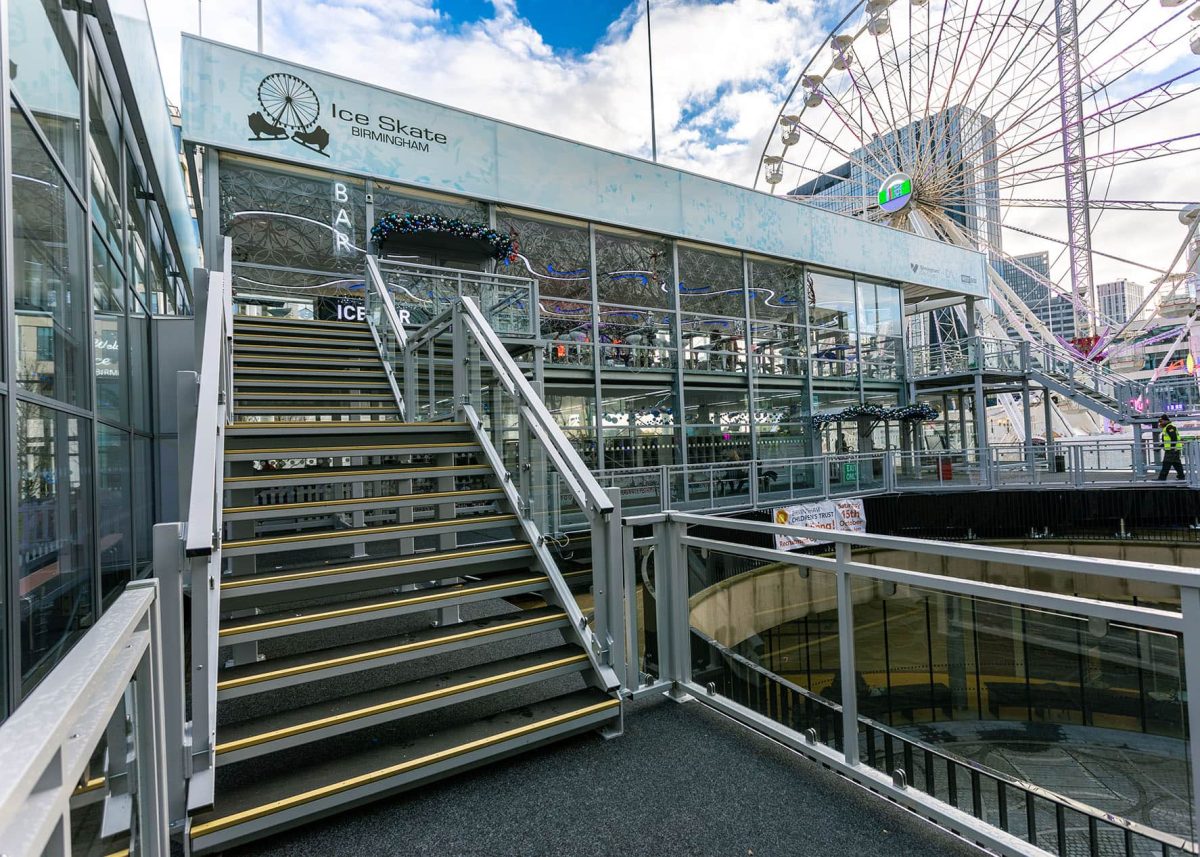
Our modular ramps, steps and walkways are designed specifically for temporary structures, accommodating a wide range of heights and slopes while delivering rapid installation and complete reusability. Whether the site is a race circuit, sports venue, festival field or country estate, the system can be quickly deployed to provide safe, professional access for guests, staff and contractors.

As Stuart Whitehouse, Managing Director of Regent Engineering, explains:

“The success of any temporary structure isn’t just about the building itself – it’s about how people access and move around it safely. Our ramps, modular steps and walkways allow event organisers to create high-quality access solutions regardless of the terrain.”

“During the summer season, speed, flexibility and reliability are essential. FloorStak systems are designed to install quickly, adapt to site conditions and then be packed away efficiently for the next event. That’s why they’re increasingly being specified for major sporting events, festivals and premium hospitality environments.”

With compact transport pallets, reusable components and modular configurations that can be adapted to virtually any site layout, FloorStak helps event professionals deliver first-class visitor experiences from arrival to departure.

The UK’s biggest summer events may only last a few days, but the infrastructure behind them requires engineering that performs every time.

FloorStak Demonstrates Defence Sector Potential as Military Field Tent Projects Highlight Ground Levelling Advantage

Recent deployments at UK military barracks are showcasing how FloorStak’s innovative support and levelling system is helping contractors overcome one of the most persistent challenges in temporary infrastructure: creating perfectly level, safe and stable flooring on uneven ground.

As the UK Government and defence industry place greater emphasis on strengthening domestic supply chains and increasing SME participation, British manufacturers with proven engineering solutions are finding new opportunities to support military and defence-related projects.

For FloorStak, a registered brand of Regent Engineering, recent visits to military barracks across the UK have demonstrated how its support and levelling technology can provide a practical solution for the rapid installation of field tents and temporary accommodation structures.

The system is designed to eliminate the limitations traditionally associated with challenging ground conditions. Whether deployed on hardstanding, sloping terrain, car parks or uneven surfaces, FloorStak enables contractors to create a perfectly level platform with height adjustments ranging from just 200mm up to an impressive 1,650mm.

Unlike conventional approaches that often require extensive ground preparation, excavation or additional temporary works, FloorStak’s adjustable support system allows installers to adapt quickly to site conditions while maintaining structural integrity and safety.

Stuart Whitehouse, Managing Director of Regent Engineering, said:

“The true beauty of FloorStak is its ability to remove ground conditions as a constraint. Whether we’re dealing with a slight slope or a significant level difference, the system allows us to create a perfectly level structure every time.”

“We can accommodate height variations from 200mm right through to 1,650mm, which means contractors no longer have to compromise on location or invest heavily in site preparation. We simply adjust, align and create a stable platform.”

The technology has been developed specifically for temporary structures and integrates directly with flooring systems, providing a robust foundation capable of supporting demanding applications. The FloorStak support and levelling system is suitable for uneven and sloping ground, integrates with temporary structures and flooring systems, and has been structurally verified for use in challenging environments.

The recent military projects highlight a wider opportunity emerging within the defence sector. As outlined in the newly launched Practical Guide to Working in Defence from Make UK Defence and Lloyds, SMEs with specialist engineering expertise are increasingly being encouraged to enter defence supply chains and contribute innovative solutions to longstanding operational challenges.

Whitehouse believes products such as FloorStak are well positioned to support this shift.

“The defence sector needs practical engineering solutions that can be deployed quickly, reliably and repeatedly in demanding environments. That’s exactly what FloorStak was designed to do. The feedback we’ve received from military installations has reinforced the value of having a system that can adapt to virtually any ground condition while maintaining speed of installation.”

Manufactured in the UK by Regent Engineering, FloorStak has built its reputation across the temporary structures sector, supporting applications ranging from event infrastructure and hospitality venues to access systems, walkways and elevated flooring platforms. The system’s modular design, rapid installation and ability to minimise transport requirements have made it an attractive option for organisations operating in time-critical environments.

As defence spending increases and the Government continues to encourage greater SME participation, innovative British manufacturers are expected to play an increasingly important role in delivering specialist infrastructure solutions.

For FloorStak, recent military deployments offer a clear example of how engineering expertise developed in commercial markets can translate into valuable capabilities for the defence sector, helping create safe, level and reliable temporary structures wherever they are needed.

FloorStak® Supporting Defence and Humanitarian Operations Worldwide

From deployable field hospitals and temporary troop accommodation to emergency infrastructure and operational support platforms, FloorStak® is continuing to prove its capability in some of the world’s most challenging environments. Designed and manufactured in the UK, FloorStak® is increasingly being deployed across defence, military and humanitarian projects where rapid installation, operational reliability and terrain adaptability are essential.

Engineered specifically for uneven and austere ground conditions, the FloorStak® system creates stable, elevated platforms with infinite height adjustment from 17cm to 2m. The system is capable of supporting static loads ranging from 350kg/m² to 750kg/m², making it suitable for a wide range of operational and logistical applications.

Applications include:

  • Deployable field hospitals and medical facilities
  • Temporary military accommodation
  • Vehicle access routes and equipment storage platforms
  • Temporary helipads and operational infrastructure
  • Emergency relief and humanitarian shelter systems

The system has already supported international deployments with organisations including the German Military (Bundeswehr) and the International Red Cross in locations such as Burkina Faso.

Stuart Whitehouse, Managing Director of FloorStak®, says the increasing demand for rapidly deployable infrastructure reflects the evolving requirements of both defence and humanitarian operations.
“Modern operational environments demand infrastructure solutions that can be deployed quickly, adapted easily and trusted to perform in difficult conditions,” says Whitehouse.
“FloorStak® was developed to solve real-world challenges faced by military, emergency response and humanitarian teams — creating safe, stable and level environments regardless of terrain or ground conditions.”
One of the system’s key advantages is its suitability for deployable medical capability. FloorStak® provides a clean, elevated and structurally reliable sub-floor beneath temporary medical shelters, helping healthcare and emergency response teams establish operational facilities quickly in remote or demanding environments.
“When field hospitals or emergency medical facilities are deployed, the surrounding environment cannot become a barrier to care,” Whitehouse explains.
“FloorStak® helps create stable platforms that improve safety, cleanliness and operational effectiveness from day one.”
The system is also ideally suited to troop accommodation and temporary operational bases, helping protect personnel from mud, standing water and uneven surfaces while improving site organisation and working conditions.
Alongside international deployments, FloorStak® continues to engage with UK defence infrastructure projects. Recent capability and ground surveys at British military locations, including Larkhill Barracks in Wiltshire, demonstrate growing interest in deployable flooring and support systems that can improve operational readiness, mobility and temporary infrastructure capability.
Manufactured in the West Midlands, FloorStak® combines British engineering expertise with proven real-world performance across defence, humanitarian and infrastructure environments worldwide.
“We are proud to see a British-manufactured system supporting organisations operating in some of the most demanding environments globally,” adds Whitehouse.
“The applications for FloorStak® continue to evolve, and we believe the system has significant potential to support future defence, emergency response and temporary infrastructure projects both in the UK and internationally.”

Contact Us

We welcome enquiries from all over the world.