

The race to increase aerospace and defence production is creating a parallel requirement across industry: organisations need the physical infrastructure to support expansion at a similar pace.
With aerospace and defence manufacturers targeting substantial increases in production, a recent industry analysis found supply chain constraints were affecting delivery across the overwhelming majority of programmes studied. Production scalability is increasingly being viewed as a source of competitive advantage as primes and their suppliers look for ways to unlock additional capacity.
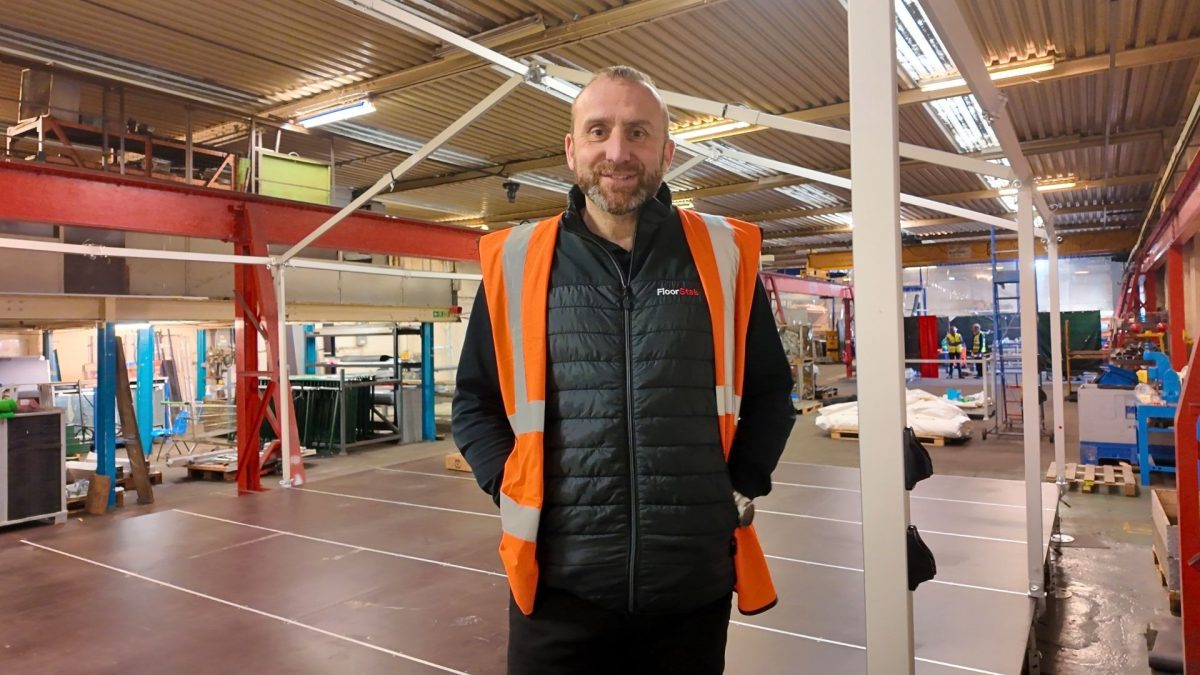
For Black Country manufacturer Regent Engineering, that environment presents an opportunity for its FloorStak® modular flooring system to play a practical role in how organisations create additional operational space.
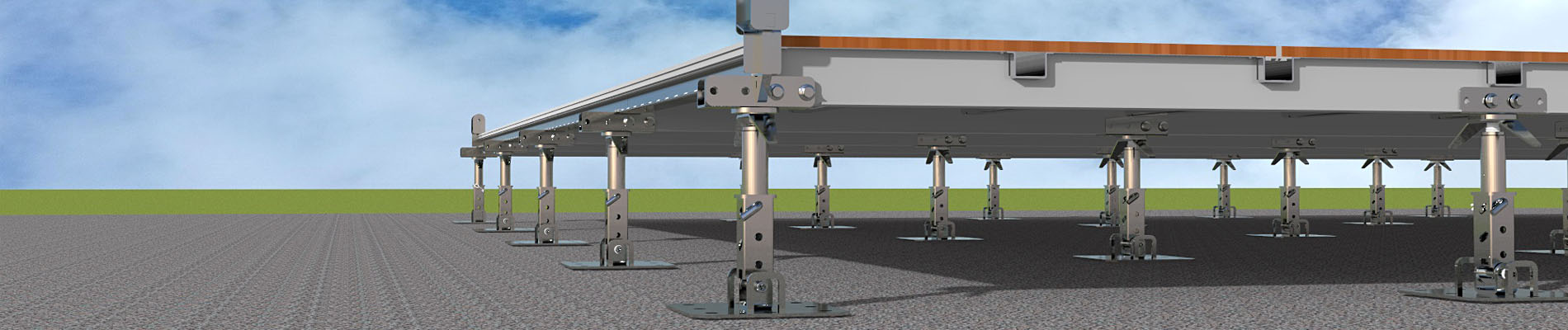
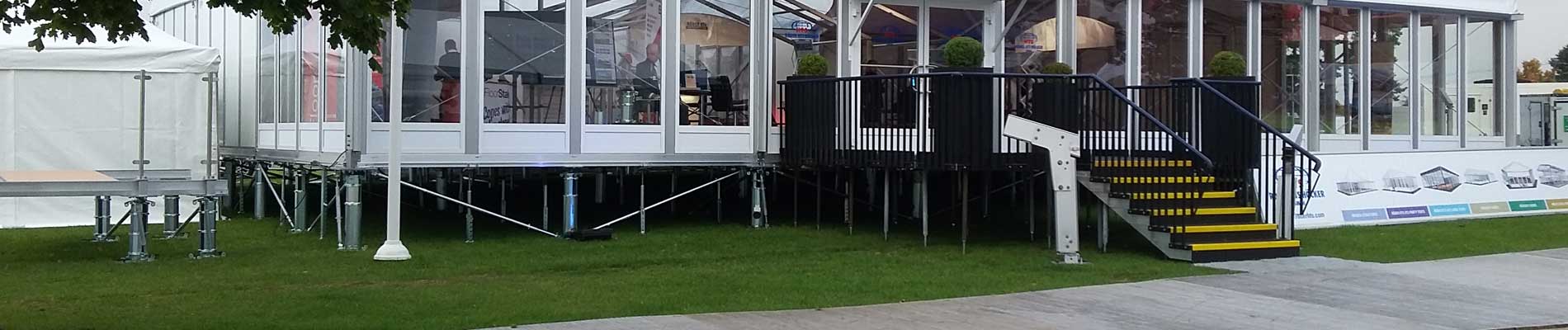
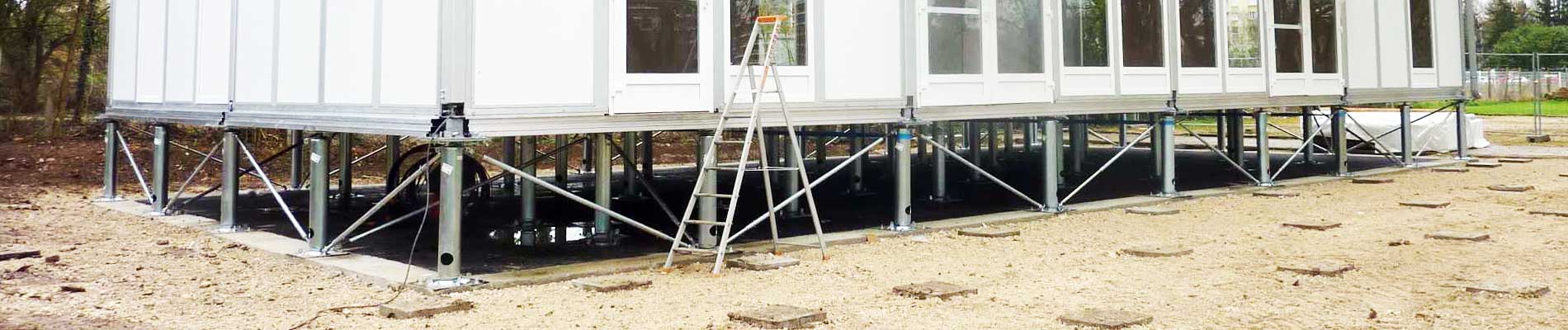
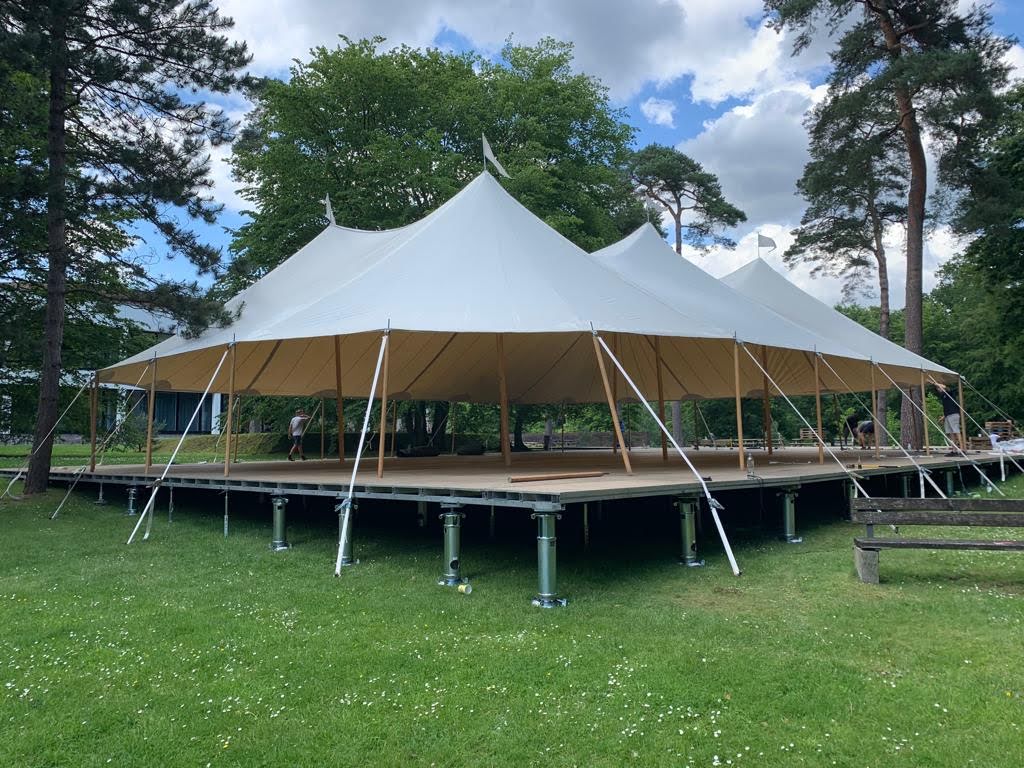
Designed and manufactured in the UK, FloorStak provides an engineered support system for creating level, load-bearing floors over existing surfaces and challenging ground conditions. Its modular construction means substantial temporary structures can be installed quickly, adapted to individual applications and subsequently dismantled and redeployed.
Regent Engineering Managing Director Stuart Whitehouse believes that flexibility has particular relevance for aerospace and defence organisations responding to rapidly evolving capacity requirements.
“Aerospace and defence businesses are being asked to scale at considerable pace, and that creates requirements throughout their operations,” said Whitehouse. “Production equipment, people and materials all need somewhere to operate, and creating that additional space quickly can become an important part of the overall capacity strategy.”
The scale of the challenge is considerable. Analysis of US and European aerospace and defence programmes indicates production growth targets ranging from 20% to 500% above recent levels, with some organisations targeting output at as much as six times previous rates.
That growth can translate into requirements for additional manufacturing areas, logistics facilities, warehousing, maintenance environments and other temporary or semi-permanent structures across large industrial sites.
FloorStak is designed to provide the foundation beneath those structures.
Rather than requiring every temporary facility to begin with extensive traditional groundworks, the modular system can create a stable and level platform across uneven or sloping surfaces. Components can be configured around the requirements of an individual project, helping organisations bring usable space into operation at speed.
“The value of a modular system is that infrastructure can evolve alongside the organisation,” Whitehouse explained. “A customer may need additional space to support a programme, a production ramp-up, maintenance activity or storage requirement. FloorStak gives them an engineered platform that can be installed quickly and configured around the site.”
That ability to redeploy the system also changes the economics of temporary infrastructure.
FloorStak components can be dismantled and used again, allowing organisations with multiple facilities, changing programmes or recurring temporary infrastructure requirements to retain an asset for future projects.
For defence organisations in particular, where operational requirements can evolve quickly, the ability to create robust infrastructure while retaining flexibility can provide an important advantage.
Aerospace presents similar opportunities. Aircraft, engine and systems manufacturers are increasing output while lower-tier suppliers may need to expand even faster as demand from several programmes converges simultaneously. The industry analysis highlights how these suppliers can face combined capacity requirements greater than those visible from any single customer forecast.
Whitehouse believes physical infrastructure deserves a place within that wider conversation about scalability.
“When people talk about increasing aerospace and defence capacity, the focus naturally goes towards machinery, automation, skills and supply chains,” he said. “The buildings and infrastructure surrounding those investments matter as well.
“FloorStak is about giving organisations another option. If additional operational space can be created efficiently, brought into service quickly and then adapted or reused as requirements change, that can support a much more agile approach to expansion.”
FloorStak also draws upon more than eight decades of Regent Engineering’s experience in metal forming, fabrication and engineered products from its manufacturing base in Darlaston.
As aerospace and defence organisations examine every part of their operations for opportunities to increase capacity, the Black Country manufacturer sees modular infrastructure becoming an increasingly relevant part of the solution.
As a result, “Industry is looking for practical ways to turn demand into output,” Whitehouse added. Moreover, FloorStak is a simple idea built around strong engineering principles: delivering a level, dependable platform with rapid reuse.
Additionally, this combination of speed, adaptability and reuse has real potential for organisations.
Moreover, aerospace and defence are entering a crucial expansion phase, making rapid production infrastructure as vital as assets.

Tel: +44 (0) 121 526 6060
info@floorstak.com