

With billions of pounds being invested in Britain’s infrastructure, maintaining construction schedules throughout the winter months is an important commercial consideration for contractors delivering some of the country’s largest engineering projects.
From HS2 and Hinkley Point C to major investments in Britain’s energy networks, transport infrastructure and utilities, construction programmes depend on extensive temporary infrastructure to accommodate personnel, equipment and essential site operations.
Heavy rainfall, waterlogged ground and fluctuating temperatures can present considerable challenges for contractors, particularly on large construction sites where temporary buildings and welfare facilities are required for several years.
Stuart Whitehouse, Managing Director of British temporary infrastructure specialist FloorStak, believes greater consideration should be given to the engineering that supports these facilities during the planning stages of major construction projects.
“On some of Britain’s largest infrastructure projects, the temporary facilities supporting construction activity can be in place for several years,” said Whitehouse.
“Throughout that period, contractors have to contend with changing seasons, challenging ground conditions and the evolving requirements of the construction programme. Investing in adaptable temporary infrastructure from the outset can bring considerable operational and commercial benefits.”
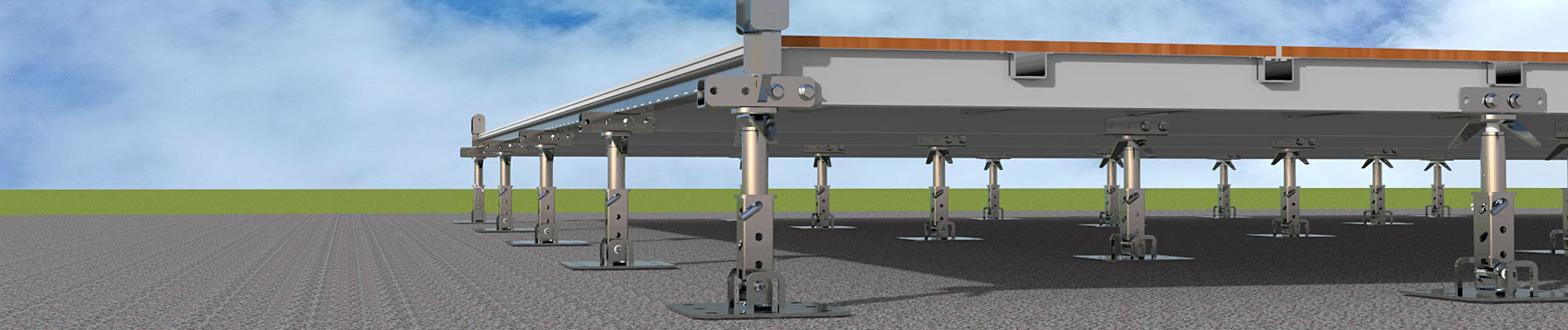
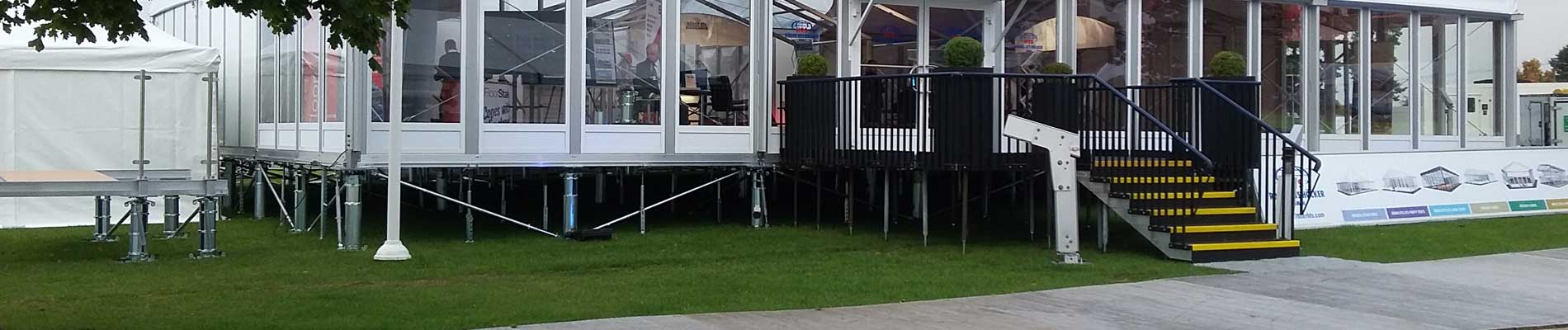
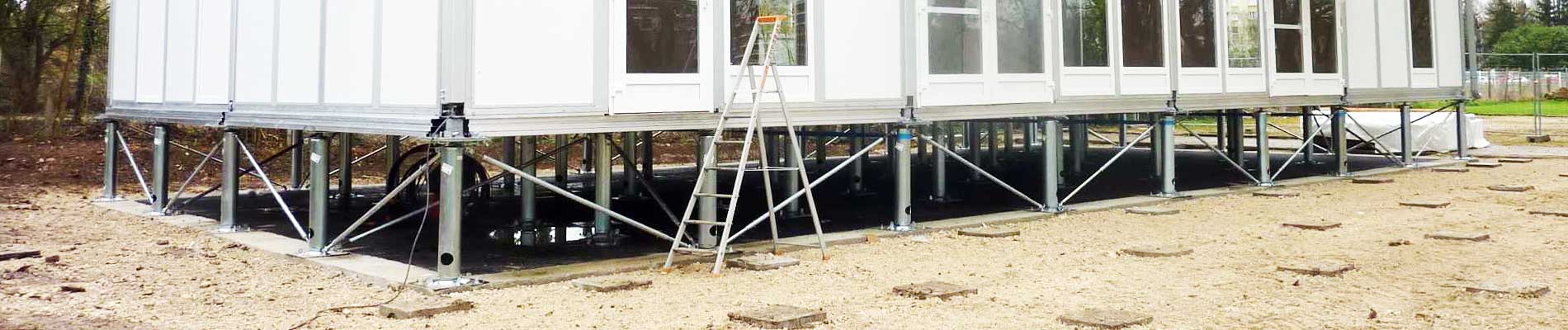
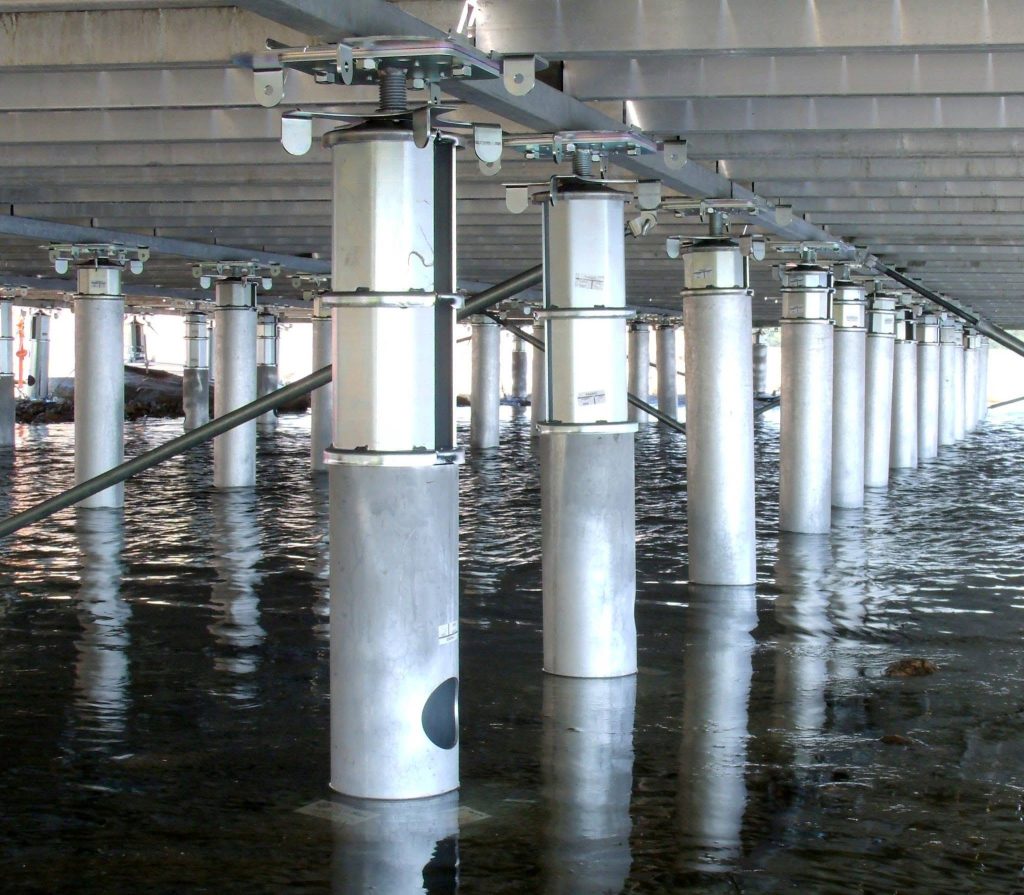
Manufactured at its engineering facility in Darlaston, West Midlands, FloorStak’s temporary floor support and levelling systems have been developed to enable the installation of temporary structures across uneven and sloping terrain.
With height adjustments ranging from 17cm to two metres and configurations suitable for static floor loads of up to 750kg per square metre, the system provides contractors with greater flexibility when determining where temporary facilities can be located, subject to appropriate ground assessments and installation requirements.
The ability to accommodate differences in ground elevation can also help reduce the extent of preparatory groundworks required, bringing potential savings in installation time, labour and associated costs.
“Every construction site presents its own set of engineering challenges, particularly as we move into the winter months,” continued Whitehouse.
“Providing a stable, level platform for temporary buildings gives contractors greater flexibility over how they use the available land. On large infrastructure projects, where construction activity moves across a site over several years, the ability to dismantle and relocate these facilities represents a particularly valuable engineering and commercial advantage.”
FloorStak’s modular cassette flooring systems complement its support and levelling technology, with a range of flooring finishes available, including anti-slip phenolic-coated plywood and decking boards for external applications.
The company also manufactures temporary access ramps, modular steps and walkways, enabling contractors to incorporate pedestrian access into the design of their temporary buildings and supporting infrastructure.
Whitehouse believes the reusability of these systems is particularly relevant to major infrastructure programmes, where construction companies are increasingly focused on managing whole-life costs, improving resource efficiency and meeting environmental commitments.
“There is a strong commercial argument for investing in temporary infrastructure that can serve a business across multiple projects over many years.
“Each time a system is dismantled, transported and put back into service, the original engineering investment continues to deliver value. That is an important consideration for construction businesses looking closely at their expenditure, material consumption and environmental performance.”
Drawing upon generations of British manufacturing experience, FloorStak also provides bespoke engineering solutions for temporary structures, combining its in-house design, fabrication, robotic welding and metal pressing capabilities to develop products around specific customer requirements.
With Britain embarking on an extensive programme of investment in its energy, transport and civil infrastructure, Whitehouse believes domestic engineering businesses have an important contribution to make in helping contractors deliver these projects efficiently.
“We have a wealth of manufacturing knowledge in this country and a tremendous opportunity to apply that expertise to the infrastructure projects that will shape Britain over the coming decades.
“The engineering that goes into supporting temporary facilities deserves careful consideration. These buildings are where thousands of people work, plan, coordinate and support the delivery of major construction projects every day. Providing the right infrastructure for those people throughout the year makes good business sense.”

Tel: +44 (0) 121 526 6060
info@floorstak.com